Charged at cutoff, refunded if the bag comes up short
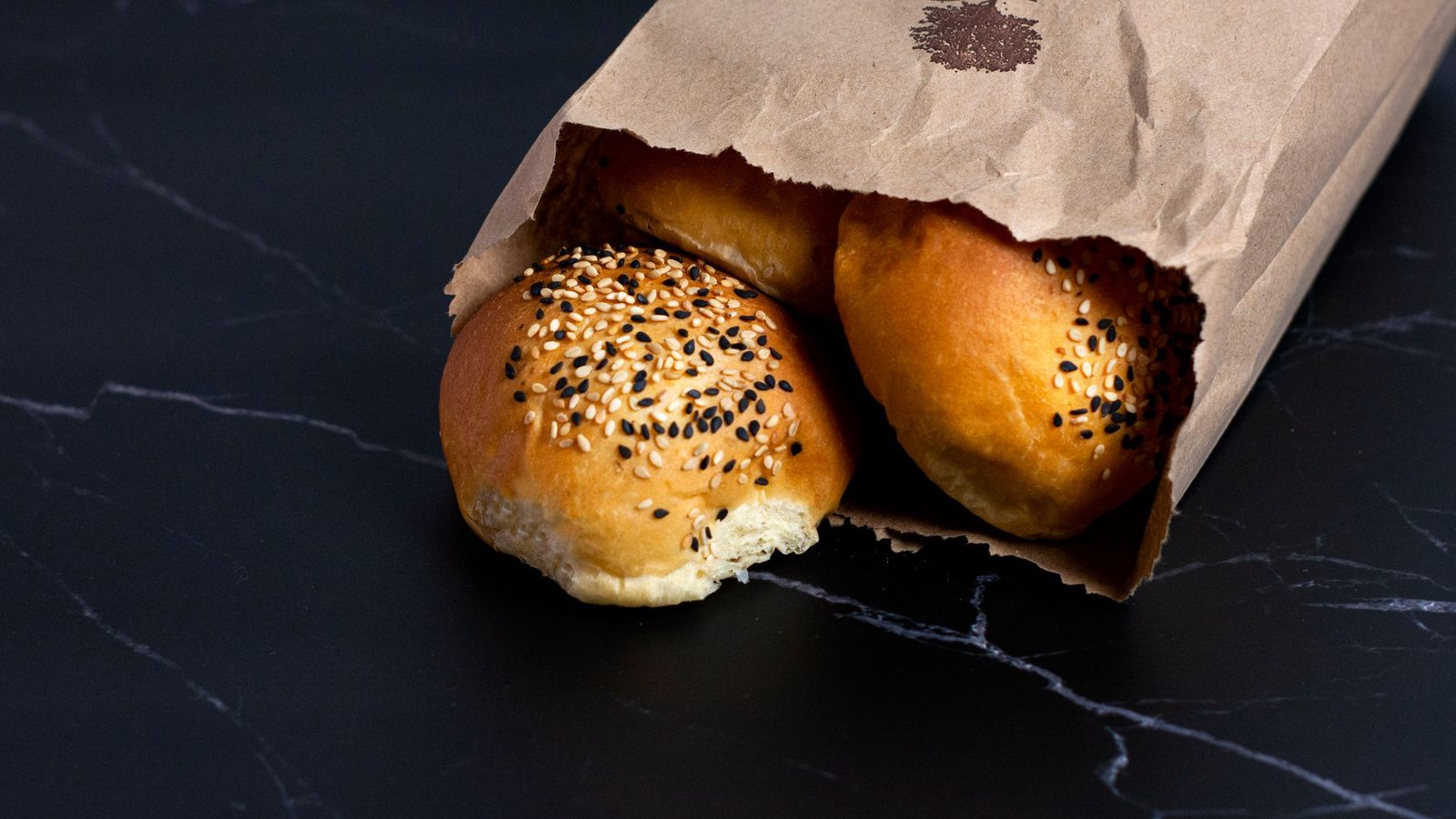
People leave a card on file for a bakery subscription when two things feel safe: they are not paying a month up front for bread that might not show, and if something is missing from the bag, they do not have to beg for the difference back.
That is the trust under recurring revenue. Standing orders put buyers on auto-pilot so you stop scrambling for new sales every week. The billing has to match how a bake day actually works — charge when the round closes, make it right when the handoff comes up short.
Not at signup. Not a month in advance.
A bakery standing order repeats until the customer changes it. The card is not charged when they subscribe. It is not charged for four weeks of bread on day one.
Each delivery is charged at your cutoff for that fulfillment mode — delivery round, pickup window, or market date. When that mode closes, the estimated total for that handoff hits the card and the order locks so you can bake to a paid number.
Charging a month up front turns subscribing into a big decision. Charging at cutoff feels like ordering, which is what they already do. That is why the recurring base grows instead of stalling on the first payment screen.
Skip before cutoff and nothing hits the card for that week. Pause for a stretch and the list rests without a prepaid argument. The auto-pilot still has a brake — which is what keeps people from cancelling the first time life gets loud.
Estimated total, then the oven
Cutoff charges what the order looks like when it locks — items, fees for that mode, tax as configured. You bake and pack against that list.
Sometimes the bag is short. A loaf did not make weight. A tray burned. You ran out of sesame and sent plain with a note. The customer should not stay charged for bread they did not get.
Estimated total is not a trick. It is an honest snapshot at the moment the mode closed. The oven is allowed to disagree later. The billing loop has to allow the same disagreement without a support ticket war.
Shortage refunds without the awkward text thread
When you confirm what actually went out, the difference refunds. Nobody has to open a support chat to ask for three dollars back. You record the handoff; the money follows.
That is the “honest money” loop on BakeFleet: charged for the estimate at cutoff, corrected when the bag is real. It is also why subscribers keep the card on file. The fear is rarely the price. The fear is being billed for a missing focaccia and then negotiating.
Do the confirmation while the pack list is still in your hands — not three days later when the customer DMs a photo of an empty tote corner. Same-day or next-morning corrections feel like a bakery that noticed. Late fights feel like a subscription trap.
Money lands in your own Stripe account, so refunds leave the same place payouts arrive. No platform wallet holding the difference while you wait on a queue. Direct Stripe keeps shortage fixes as ordinary as any other refund you already know how to run.
Why this keeps the auto-pilot running
Skip and pause only help if people trust the weeks they do take. One bad charge they have to chase and the standing order dies — and cancelled subscriptions do not wander back on their own.
Charge-at-cutoff plus shortage refunds is the money half of the same story as per-day stock. Stock stops you selling bread you will not bake. Honest billing stops you keeping money for bread you did not hand over. Together they make recurring revenue feel like a bakery relationship, not a subscription trap.
Markets stay in the mix. A Saturday stall with its own cutoff still charges when that mode closes. Walk-ups and one-off preorders fill what stock is left. Markets do not go away when subscriptions run — and shortage honesty at the stall matters as much as on a doorstep. More on that balance: farmers market preorders vs weekly bread subscription.
What it looks like in a normal week
Monday 9pm: Tuesday delivery cutoff. Cards charge for the round. Bake and pack lists print against locked, paid orders — oven counts on the bake list, bags by customer on the pack list.
Wednesday doorstep: one order is short a babka. You confirm what went out. The difference refunds. The standing order stays active for next week because the customer did not have to fight anyone.
Thursday noon: Saturday market cutoff on its own clock. Same rules, different mode. No month-up-front balance sitting in a platform wallet — customers pay you through your own Stripe when your deadline hits.
Friday pack-out for market: a focaccia tray runs light. You note the shorts on the pack list before the van leaves. Saturday morning handoffs match what you confirmed. Refunds already moving. Nobody is arguing over a folding table in the sun.
That week’s recurring revenue showed up as paid lines before flour hit the bowl, then cleaned itself when the oven disagreed. Boring in the best way.
Modes, fees, and what the charge includes
Delivery, pickup, and market each carry their own days, fee, and deadline. The cutoff charge should include the mode fee the customer already saw — delivery fee on the round, pickup fee if you charge one, market fee if the stall cost passes through.
Surprise fees after signup kill trust faster than a short bag. Put the fee on the mode. Show it on the standing order. Charge it at that mode’s cutoff with the items. If you waive a fee for a week, change it before cutoff so the estimate matches the promise.
Tax follows how you configured the handoff — delivery vs pickup vs market can differ by place. Keep the storefront consistent with what you told people at signup. Billing surprises that look like “the subscription tax lottery” are how cards get removed.
Set the cutoff you can keep
Pick deadlines that match bake time, not flyer aesthetics. Market often needs more lead than a night-before round. After cutoff, treat the charge as a promise you intend to keep, with refunds as the safety valve when the oven disagrees.
A cutoff you cannot bake to is worse than a slightly earlier one. If Thursday market close means you still remix Friday at 2am, move the deadline. Charge-at-cutoff only builds trust when the bake list that follows is something you can finish. Deeper on clocks: pickup windows and standing-order cutoffs.
Per-day stock belongs in the same conversation. If the storefront keeps selling after the day’s count is gone, you will charge people for bread you cannot pack — then refund your way through the week. Stop the oversell first; use shortage refunds for true oven variance, not for systematic double-selling.
Edge cases and failure modes
Failed cards at cutoff: the order may not lock the way a paid one does. Have a shop rule — retry window, customer notice, whether the reserved stock frees. Do not silently bake for a card that never cleared and then chase payment after the fact.
Partial shorts vs full misses: refund the difference for a missing item; if the whole bag fails, refund the handoff and say so plainly. Customers forgive a burned tray. They do not forgive silence.
Substitutions: if you send plain instead of sesame with a note, decide whether that is a full substitute at the same price or a short that needs a partial refund. Put the rule on your FAQ once so you are not inventing policy at the door.
After-cutoff changes: once charged and locked, do not casually edit items without a money plan. Either the change is a baker-side correction with a refund path, or it waits until next week’s standing order edit before cutoff.
Disputes: because money is in your Stripe, chargebacks follow Stripe’s flow. Keep pack-list confirmation and any shortage refund timestamped. The best dispute is the one you never get because you already refunded the short bag.
Vacation weeks: when you shut sales, no cutoffs should charge for days you are not baking. Customer standing orders pause production without wiping the list. Billing honesty includes not charging for a vacation you published.
Double cutoff confusion: a regular on Tuesday delivery and Saturday market gets two charges in a week if both modes run. That is correct — two handoffs — but say so when they subscribe so “I got charged twice” is not a panic text. Two modes, two clocks, two estimates.
Checklist: billing that matches the bake
- Set each mode’s cutoff where you need the list locked to bake and pack without heroics.
- Confirm standing orders charge at that cutoff — not signup, not a prepaid month.
- Include the mode fee and configured tax in the estimate the customer already saw.
- Lock bake list and pack list from paid, locked orders after cutoff.
- Confirm what actually went out the same day you hand off when you can.
- Refund shortages from your Stripe without making the customer open a ticket.
- Keep per-day stock tight so refunds are oven variance, not oversell cleanup.
- Publish skip/pause rules before cutoff so people do not cancel to avoid a charge.
FAQ
When does the card get charged? At your cutoff for that fulfillment mode’s handoff — delivery, pickup, or market — not when they subscribe, not a month of bread up front.
What if they skip? Skip before that mode’s cutoff and nothing charges for that week. After cutoff, that delivery is locked.
What is an estimated total? The items, mode fee, and tax as the order looks when the mode closes. It is the charge that funds the bake; shortage refunds correct it when the bag is short.
Who holds the money? Customers pay into your own Stripe account. BakeFleet does not sit on a platform balance for your bakery’s takings.
Do I still need shortage refunds if I never burn anything? Yes as a safety valve. Even careful shops miss weight or break a loaf in the van. The point is the customer never has to beg.
How do bake and pack lists fit the money loop? After cutoff, both lists come from locked paid demand. Confirming the pack against what left the bench is what triggers honest shortage fixes — bake and pack lists.
Is this the same as month-up-front subscription billing? No. Month-up-front is a different product shape. Charge-at-cutoff matches weekly bakery handoffs and keeps skip/pause sane.
Trust is the product under the product
That is how subscriptions stop being a slogan and start being next week’s revenue before you buy flour — without training customers to distrust the card on file.
Buyers on auto-pilot only stay if the weeks they take feel fair. Charge when your mode closes. Refund when the bag comes up short. Keep stock honest so you are not charging for fiction. The rest of the shop — modes, lists, markets still running — sits on that boring money loop.
Start a 14-day free trial — no card to start. Charge-at-cutoff standing orders and shortage refunds are built into how BakeFleet bills; see /features and how bakery subscriptions work. Pricing on /pricing. Setup questions on /faq.