Farmers market preorders vs a weekly bread subscription
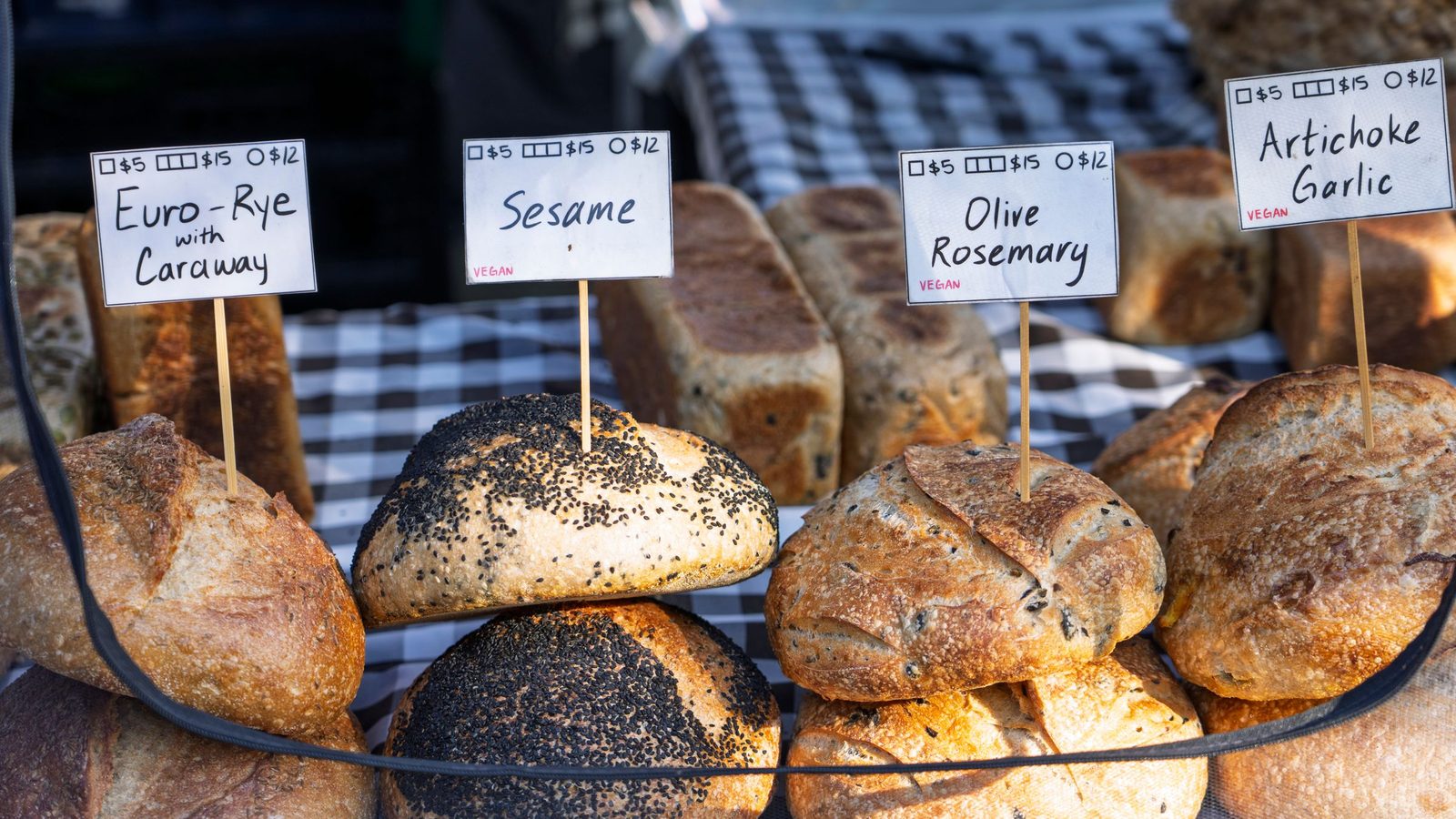
Farmers market preorders solve Saturday morning. A weekly bread subscription solves the rest of the month. Same stall, same regulars, different job — and BakeFleet runs both without making you pick.
Preorders lock a tote before you load the van. Subscriptions put buyers on auto-pilot so you are not inventing next week’s sales every Sunday night. Recurring revenue is the point: the people who already seek you out at the market keep buying on a standing order, charged at your market cutoff, while walk-ups and one-off preorders still fill the gaps.
What a market preorder actually is
Someone wants the sesame loaf on Saturday. They order ahead — text, Google form, your storefront — and you bake knowing that bag is spoken for. At the stall they pick it up. Done.
That is a one-off with a deadline attached. Useful. You stop guessing how many focaccia to bring. You still do not know whether that person shows up again in two weeks, or whether rain kills the rest of the walk-up trade.
Market preorders shine for:
- First-timers who are not ready to commit to a standing order
- Holiday weeks when someone wants three loaves once
- Sell-out items you would rather not bring as pure guess inventory
- Regulars who skip around and prefer to order when they remember
- Gift weeks — a friend visiting, a dinner party, a neighbor’s birthday bread
None of that is wrong. It just leaves you hunting volume every week the weather turns or the parking lot fills with a different vendor’s fans. Preorders protect the bake for Saturday. They do not protect next Saturday’s flour order.
What a weekly bread subscription does instead
A bakery standing order is the same pickup on the same market day until the customer changes it. They choose items, the market date they collect on, and leave a card on file. They are not charged a month up front. They are not charged at signup.
When that market’s cutoff hits — Thursday noon for a Saturday stall, say — the card charges for that week’s order and the line locks. You bake to paid demand. Between cutoffs they skip, pause, or swap from their own account, which is what keeps the subscription alive through vacations instead of dying the first long weekend.
That is the auto-pilot piece. Recurring revenue tied to a real market date, not a soft “maybe I’ll text you Friday.” The canopy still goes up. The difference is you already know twenty or forty bags are paid for before you mix.
A subscriber who collects from your stall every Saturday is a subscription. It just does not involve a van. Same person can also place a one-off preorder for an extra brioche the week of a dinner party. The standing order is the floor. The preorder is the spike.
They are not rivals
Markets do not go away when subscriptions start. The product is built to run both. A Saturday market date is one fulfillment mode — its own days, fee, and order deadline — sitting next to a Tuesday delivery round and a Thursday pickup window if you also run those.
Walk-ups still buy what is left after standing orders reserve against per-day stock. First-timers still taste a sample and decide later. The market stays how you meet people. The standing order is what stops you having to re-meet them every Saturday. That split is the whole subscriptions vs one-off argument in practice.
If you run delivery and pickup too, the market is not a separate business. It is another mode on the same shop. Someone can subscribe to Tuesday delivery and still grab a one-off at the stall when they are nearby. Modes do not fight each other when each has its own clock.
Where the money feels different
Forty market preorders at $12 is $480 you find out about as texts trickle in. Forty standing orders at the same price is roughly $480 you already knew when you ordered flour on Wednesday — if those cards charged at cutoff.
The totals can look similar on a good month. The variance does not. A washout Saturday still hurts walk-up. It does not erase the subscribers whose orders locked Thursday and whose bags are already on the pack list.
Preorders reduce waste on the day. Subscriptions reduce the weeks you scramble for new sales. Most shops that stick with both end up using preorders for discovery and spikes, and standing orders for the floor under the week.
Cash-flow timing matters too. Charge-at-cutoff means Thursday’s close puts money on the books for Saturday’s bags before you finish the Friday bake. You are not waiting until the stall cash box is counted to know whether the week covered flour. That is not “growth hacking.” It is knowing whether you can buy the next fifty-pound bag without guessing.
How BakeFleet keeps both honest
Three fulfillment modes, each with its own clock: delivery round, pickup window, market date. Set the market’s fee and deadline where you actually need the list locked to bake and pack without rewriting labels in the parking lot.
Per-day stock is what you set for that bake day. When the count is gone, the storefront stops selling — including two people hitting the last country loaf at once. Standing orders reserve against that day’s stock when the order generates ahead of cutoff. Preorders and walk-ups see what is left. The subscription cannot quietly oversell the bake and call it recurring revenue.
Customers pay through your own Stripe. Flat monthly software vs percentage-of-sales tools is the high-level tradeoff — details on /pricing.
Bake list for the market bake is oven counts from locked standing orders plus accepted preorders against that day’s stock. Pack list for the market date groups bags by customer for the stall — names big enough to read when three people arrive at once. Same product language whether the handoff is a van stop or a canopy table.
A Saturday that behaves
Thursday noon: market cutoff hits. Standing orders for the stall charge. Preorders that made the deadline lock too. Bake list for Friday’s market bake prints. Pack list groups by customer name for the canopy.
Friday: you bake to that list. Per-day stock already reserved the standing-order loaves; leftover slots were what preorders and late one-offs could still take before Thursday’s close. Nothing else sold into that count after cutoff.
Saturday 7am: load the van from the pack list. Subscribers’ bags labeled. Preorder bags labeled. A few loaves for walk-up if stock allowed. At the stall, people who forgot to order still buy what is left — they just are not the whole plan.
Saturday noon: rain starts. Walk-up dies. The standing-order bags still went out. Recurring revenue did not evaporate with the weather. You break down knowing next week’s floor is still there unless people skip before the next cutoff.
That is the difference in one wet morning. Preorders helped Friday’s bake. Subscriptions kept the month from depending on sunshine.
Edge cases market bakers hit
Rain and heat both kill walk-up. Neither should wipe standing orders that locked at cutoff. If your process still rebuilds Saturday’s count from “who texted this week,” you do not have recurring revenue yet — you have a prettier preorder form.
Holiday markets spike one-offs and confuse skips. Someone wants three pies once and to pause their weekly country loaf. That only stays sane if the standing order can skip before cutoff and the one-off is a separate preorder on the same market date. Do not fold the spike into the subscription by hand and then forget to undo it in January.
Two families claim the same sesame at the table. Pack list with names beats “everyone just grabs their loaf.” Standing-order markets still need labels when the stall is busy. Treat the market pack list as optional and you will donate free croissants as apologies.
Cutoff too late for the bake is the classic market failure. Closing Friday night for a Saturday stall feels customer-friendly until you are shaping at midnight. Move the deadline to where the bake actually needs it — often Thursday — and tell regulars once. People who want the bread will adapt. People who only decide Friday morning can still walk up to whatever stock is left.
Fee confusion at the stall. If you charge a market fee on the mode, show it at checkout the same way every week. Standing-order customers should not discover a new line item because someone changed a sticky note under the cash box.
Someone cancels the subscription because they “might miss a few weeks.” That is usually a skip-or-pause problem, not a product problem. Show them how to skip before cutoff. Offer the first skip free in conversation if that helps them try it — then let the product handle pauses after that. Cancelled standing orders do not politely return when the trip ends.
Practical split and migration checklist
Keep taking farmers market preorders for the people who are still tasting. Put a standing-order option on the same market date for anyone who already buys most weeks. Charge at that market’s cutoff, not at signup.
- Stand up the market date as a mode with the deadline and fee you actually need.
- Set tight per-day stock for the next few Saturdays; loosen after real cutoffs teach you demand.
- Invite the people who already buy three weeks out of four — not the entire email list on day one.
- Point them at the standing order the Saturday they complain they forgot to text.
- Leave first-timers on preorders until they ask for “the same thing every week.”
- Run delivery or pickup modes on the same shop if you have them — markets do not need a separate system.
- After two cutoffs, adjust one thing: stock, deadline, or which SKUs belong on the stall subscription.
- Do not relaunch the canopy brand. Same bread, same table, a floor of recurring revenue under the Saturday you already work.
More on getting your first subscribers and pricing a bakery subscription if you want the surrounding playbooks. Cutoff and mode setup detail lives in how to set pickup windows and standing-order cutoffs.
Week-in-the-life: market baker with a delivery day too
Monday: Tuesday delivery still open until its own night cutoff. Saturday market still open until Thursday. You are not choosing which business to be.
Tuesday: delivery round from Monday’s locked list. Cards already charged at that round’s cutoff. Market subscribers untouched.
Wednesday: someone preorders an extra focaccia for Saturday. Stock for the market bake day still has room. Standing orders already reserved their share.
Thursday noon: market cutoff. Standing orders charge. Bake and pack lists for the stall lock. Delivery is already done for the week; pickup, if you run one, may still be open on its clock.
Friday: market bake. Saturday: stall. Rain optional. Floor of paid bags either way.
Sunday: you look at next week’s standing orders instead of rebuilding a customer list from scratch. That is the auto-pilot recurring revenue was supposed to buy you.
FAQ
Do I have to stop taking preorders if I add subscriptions? No. Preorders and standing orders share the market mode. Use preorders for discovery and spikes; subscriptions for the weekly floor.
Will my market go away in the software? No. Markets do not go away when subscriptions run. A market date is a first-class fulfillment mode with its own days, fee, and deadline.
When do subscribers get charged? At your market cutoff for that week’s bag — not at signup, not a month up front. Skip before cutoff and that week does not charge.
What about walk-ups? They buy what per-day stock leaves after standing orders reserve and preorders take their share. The storefront stops when the day’s count is gone, including concurrent checkouts on the last loaf.
Can the same person subscribe and also preorder extras? Yes. Standing order for the weekly bag; one-off preorder for the dinner-party brioche. Same market date, different jobs.
We only do markets — no delivery. Fine. You do not need all three modes. Set the market dates you actually work. Each still gets its own deadline and fee.
Where does the money go? Customers pay through your own Stripe account. You are not routing bakery revenue through a mystery middleman wallet.
Same stall, steadier month
You do not owe the stall a rebrand. Same canopy, same bread, a floor of recurring revenue under the Saturday you already work. Preorders keep Saturday honest. Standing orders keep the month from depending on perfect weather and perfect memory.
Product map for modes, stock, and standing orders: /features. Setup questions: /faq.
Start a 14-day free trial — no card to start. Customers pay you through your own Stripe account.