What to bake when you only have 10 bakery subscribers
Ten standing orders is a floor, not a failure. Set per-day stock, read the list as your bake brief, and grow from ten without overbaking.
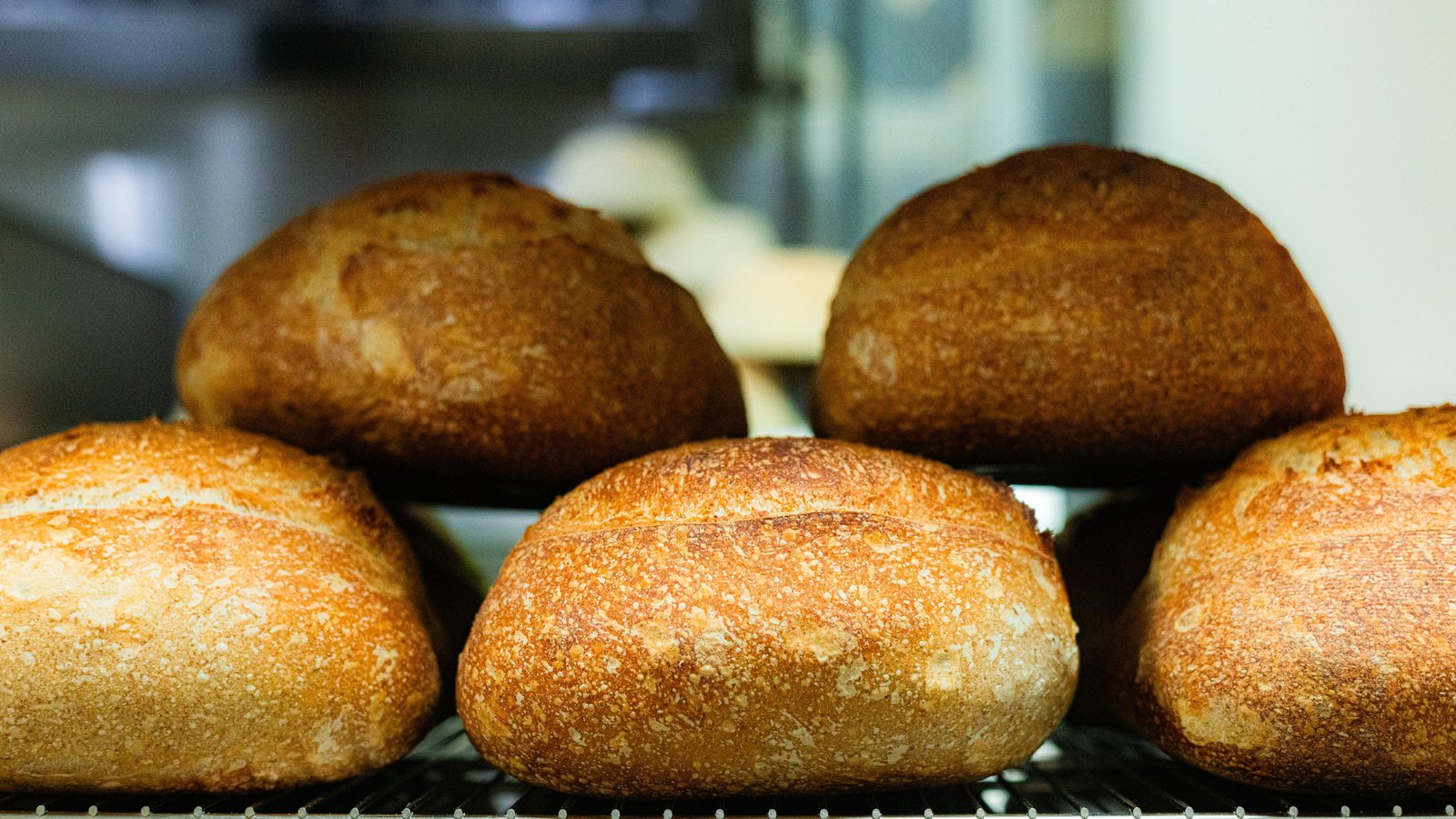
Ten standing orders is not a failure. It is a floor. Recurring revenue at that size still means ten cards charging at cutoff for the same bake day — paid demand you do not have to re-sell by text every Monday.
The mistake is baking like you already have eighty. Per-day stock exists so you set what that bake day can carry, then stop selling when the count is gone. Small list, honest oven. That is how the auto-pilot stays trustworthy while you grow the first stretch of subscribers.
The floor funds a sane day
Add it up. Ten people averaging a modest weekly bag is still money spoken for before flour leaves the bag. It will not fill a wholesale van. It will fill a focused bake: fewer SKUs, tighter counts, one delivery round or pickup window done well.
Picture Tuesday night after cutoff. Ten standing orders locked. Three country loaves, four sesame, two focaccia, one babka. That is not a “menu.” That is a brief. You mix for those counts plus whatever walk-up headroom you actually set — not for the Instagram bakery that supposedly moves sixty trays before breakfast.
How subscriptions work does not change at ten. Charge at your cutoff. Reserve stock when the order generates. Let them skip. You are not waiting for a magic number before the mechanics count.
A floor also changes the emotional math. When the week opens already partly sold, you stop treating every quiet Monday as proof the bakery is dying. Quiet Mondays with ten reserved bags are normal. Quiet Mondays with zero reserved bags and a full café menu in the mixer are how people burn out before month three.
Bake what you set, not what you wish
Set sesame at twelve for Wednesday because ten standing orders plus a little walk-up headroom is what you will actually mix. Do not set forty “for growth vibe.” The storefront will sell forty if you let it, and then you are the apology department.
With a short list, SKU discipline matters more, not less. Two or three items that subscribers already chose beat a café menu for an audience that is not there yet. Pricing the subscription and picking the bake are the same conversation: what fits the bag they will keep.
Wish baking looks like this: you add a seasonal bun “to attract new people,” leave stock open, and hope. Floor baking looks like this: you read the ten standing orders, set counts that match oven reality, and let sold-out be the boundary that protects the people who already said yes every week.
If you want a fourth SKU, earn it with a one-off test week on a pickup window, at a small count you can afford to miss — not by opening infinite stock on a Tuesday that already has a clear brief. Per-day stock is the tool; restraint is the practice. The per-day stock guide is the longer version of that rule; at ten subscribers you feel it in the mixer first.
Use the list as the brief
Read the ten standing orders after a cutoff. That is the bake list core. Pack by handoff. If one person always wants focaccia and nine want country loaf, the oven already voted.
One-offs and market walk-ups sit on top of what stock remains. They do not get to invent a second bakery inside the first.
A practical Tuesday: after delivery cutoff, open the bake list. Counts match reserved standing orders, plus any one-offs your pickup window took before its own clock. The round is already in driving order, so the pack list splits by stop and bag label — who gets which loaf on the route. You are not inventing production from memory while the dough proofs. The list already decided.
If you also stand at a Saturday market, set the stall up as a pickup window — Saturday morning, at the market — with its own deadline and fee. Ten delivery subscribers do not automatically mean ten market bags. Markets do not go away when subscriptions run — they just refuse to share a fantasy warehouse with Tuesday’s round. Set stock for the Saturday bake. Let the stall table take what is left after the standing orders on that pickup window reserve. Fuller split of bake vs pack sits in bake and pack lists for bakery subscriptions.
One handoff done well beats three handoffs half-done
At ten people, the temptation is to look “complete”: a delivery round, a pickup window at the bakery, another at the market stall, all switched on so the shop feels big. Completeness is not density. Density is ten people who trust the same handoff every week.
Pick the handoff those ten already use. If they are all Thursday pickup, run Thursday pickup hard — own days, fee, and deadline — before you invent a Tuesday route for imaginary demand. Pickup windows and standing-order cutoffs matter more when the list is short, because one missed window teaches every regular that the shop is still figuring itself out.
Market can stay. Delivery can wait. Or delivery can stay and market stays on its own clock. The rule is not “never run three.” (How many rounds and windows you can run at once depends on your plan anyway.) The rule is do not run three to impress a screenshot while ten subscribers are still teaching you what they actually reorder.
What not to do at ten
- Run every kind of handoff on day one — pick the handoff those ten already use
- Discount into oblivion to “fill” trays you should not have mixed
- Raise stock midweek to avoid saying no, then hate the mixer
- Add five new SKUs because a cousin said the menu looks thin
- Charge at signup or month-up-front “to feel more subscription-y” — charge at your cutoff so skips stay fair
- Promise a second delivery day before the first day has a clean bake list three weeks running
Saying no online is cheaper than overselling ten people who were willing to be regulars. A sold-out badge on sesame is a promise that the nine people who already reserved will get what they paid for. A half-empty tray you mixed “just in case” is cost you eat alone.
A normal week at ten (what “sane” looks like)
Sunday evening: set stock for the bake days you already run. Wednesday delivery sesame at twelve. Thursday pickup country at ten. Saturday focaccia for the market pickup window at a number that matches stall reality, not hope.
Monday: standing orders for Wednesday start reserving as their orders generate ahead of that handoff’s cutoff. You glance at remaining headroom. You do not open forty because a text said “my neighbor might want one.”
Wednesday morning: bake list matches locked demand. Delivery runs on standing orders, so the pack list is exactly the bags that locked at cutoff, stop by stop. You load the van without a second brain full of side deals.
Thursday: same rhythm on the pickup clock. A couple of one-offs can land here, inside the stock you set. Different deadline, same honesty.
Saturday: the market pickup window closed on its own deadline days ago. Standing-order bags for the stall sit under the table with names on them. Walk-ups buy what is left on top. Nobody invents a parallel bakery in the DMs.
That week is boring on purpose. Boring is how recurring revenue stops feeling like a side hustle bolted onto panic baking.
Growing without breaking the floor
When an eleventh and twelfth show up, nudge counts up a little. When a corridor of waitlist demand appears, think about a second day or zone later — not tonight. The recurring base you protect at ten becomes the density you scale later.
Growth that respects the floor looks like: eleven standing orders for sesame, stock moves from twelve to fourteen, bake list still matches. Growth that breaks the floor looks like: suddenly fifty stock, three new SKUs, a second route, and a market “soft launch” the same week — then apology texts when the mixer cannot keep up.
Use vacation mode when you leave town so standing orders freeze instead of churning. Let subscribers skip or pause from their own account before cutoff, so a week they are away never turns into a charge-and-refund mess. The people who stayed at ten will still be there at twenty if the shop behaved like a bakery while it was small. Billing edge cases like shortage refunds are quieter when stock and cutoffs were honest from the start; that is worth knowing before the list gets denser.
If delivery demand sits outside your zone, take a waitlist instead of a dead checkout — expand when density justifies it, not when pride does. That is a later problem. At ten, the problem is usually overbuilding, not underbuilding.
Edge cases that show up even on a short list
One subscriber always skips the week before payday. Fine — skip before cutoff is the product working. Do not “hold a loaf aside” off-system; that breaks the bake list for everyone else.
Two subscribers share an address but want different bags on the same delivery day. Pack list labels matter more than you think at ten, because you will remember faces until you do not. Label now.
A market regular wants the same focaccia “every Saturday” by text while ten delivery people are already on standing orders. Invite them onto a standing order on your market pickup window, with that window’s deadline — do not run a shadow subscription in your phone. Farmers market preorders vs weekly bread subscription is the longer argument; the short version is one shop, one list, no parallel bakery.
Someone gifts a standing order to a friend who never picks up. Get it paused or cancelled cleanly; do not keep baking a ghost bag because the original card is still on file. Auto-pilot includes the right to stop.
You get sick. Ten bags still reserved. Helper with a printout of bake list and pack list is better than ten voice memos. The short list is easier to hand off than a café menu — another reason not to inflate SKUs early.
Checklist: baking for ten without lying to the oven
- Read standing orders after each cutoff before you touch flour.
- Set per-day stock to reserved demand plus small, real headroom — not aspirational inventory.
- Keep SKUs to what those ten already reorder; park experiments behind stock you can afford to miss.
- Run the handoffs those ten use; add a second one when demand and oven say so.
- Charge at your cutoff, not at signup or month-up-front.
- Let sold-out stand. Do not raise midweek to avoid the word no.
- Pack from the list by handoff — route stop, pickup bag, market tote — not from memory.
- When eleven and twelve arrive, nudge counts; do not rebuild the bakery overnight.
FAQ
Is ten subscribers “enough” to use standing orders?
Yes. The mechanics — charge at cutoff, reserve stock, skip/pause — work at ten. Waiting for fifty before you stop chasing texts every Monday is how you stay in Stage B forever.
Should I keep a big menu so the shop looks impressive?
No. A big menu with a short list trains one-offs and confuses the bake. Two or three SKUs those ten keep is more professional than twelve items half of them never ordered.
What if walk-ups want something nobody subscribed for?
Sell it only if you set stock for that bake day and still have room after standing orders reserved. Do not invent a second production plan in the DMs.
Can I run a market pickup window and a delivery round with only ten people total?
You can if both have real demand and separate deadlines, and your plan covers more than one way to fulfill. You should not if you are splitting ten people across three clocks just to look complete. Density first.
Where do pricing and plans fit?
Ops first. Plans are one flat monthly price with no per-order fees; /pricing shows what each one includes, like how many ways to fulfill you can run. Standing orders and per-day stock are the spine; see /features and /faq.
Until then, bake the short list like it matters
Until the eleventh and twelfth arrive, bake the short list like it matters. It does. It is the difference between scrambling for new sales every week and starting the week already partly sold.
Ten cards at cutoff are not a vanity metric. They are ten reasons the flour order is not a guess. Protect that floor. Grow from it. Do not bake like eighty while you still have ten — and do not apologize for ten while the oven is finally telling the truth.
Start a 14-day free trial — no card to start. Standing orders and per-day stock are built for small lists that intend to grow; see /features.